

Muktinath Tour from Kathmandu 2026 - Cost, Route, Itinerary & Tips.
Planning a Muktinath tour from Kathmandu? You are about to embark on one of Nepal's most spiritually rewarding journeys. Muktinath Temple, sitting at 3,710 metres in the Mustang district, is sacred to both Hindus and Buddhists, a rare place where two of the world's great religions converge in complete harmony. Whether you are seeking moksha (liberation), breathtaking Himalayan views, or simply an extraordinary travel experience, a Muktinath yatra from Kathmandu delivers all of it. In this complete guide, we walk you through everything you need to plan your trip day-by-day itinerary, real costs in NPR, road vs flight route comparison, permits, best time to visit, and practical packing tips. Ready to book?
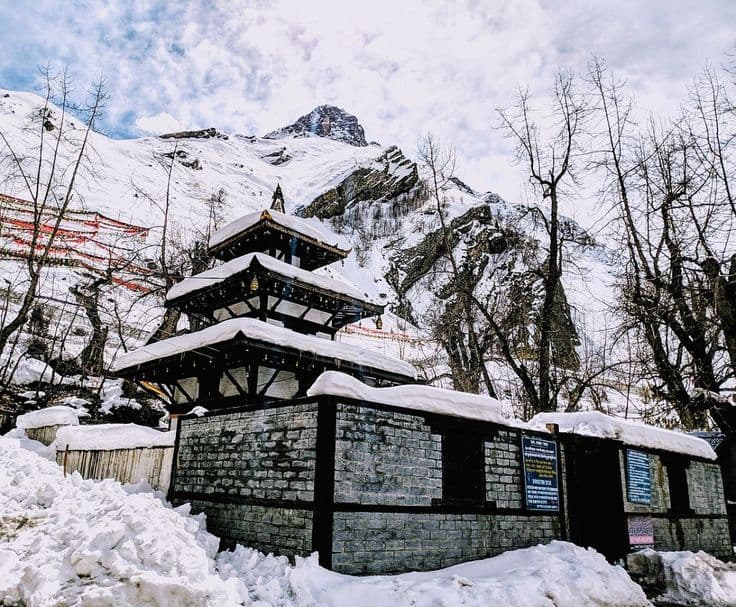
Why Visit Muktinath?
Muktinath is not just a temple — it is one of Nepal's most extraordinary places. Here is why thousands of pilgrims and travelers visit every year:
For Hindus: Muktinath is one of the 108 Divya Desams (divine abodes of Lord Vishnu). The name itself says everything — "Mukti" means liberation and "Nath" means lord. According to Hindu belief, bathing under the 108 sacred water spouts (Muktidhara) and taking a dip in the two holy ponds (Muktikunda) cleanses a lifetime of sins and grants moksha.
For Buddhists: The temple is known as Chumig Gyatsa, meaning "Hundred Waters." It is one of the 24 Tantric places and considered sacred to Tibetan Buddhists as a site of the Dakinis (sky dancers). The eternal flame burning inside the Jwalamai Temple adds to the spiritual mystique. Read our blog on the myth of Muktinath and its sacred legends for more.
For nature lovers: The journey to Muktinath passes through some of Nepal's most dramatic scenery — the deep Kali Gandaki Gorge (the world's deepest), apple orchards of Marpha, the arid moon-like landscape of Mustang, and panoramic views of Dhaulagiri and the Annapurna range.
How to Reach Muktinath from Kathmandu
There are two main route options, each with its own advantages. Your choice depends on your time, budget, and comfort preferences.
Route 1: By Road (Jeep/Bus) — The Scenic Journey
This is the most popular option for Nepali travelers and those who want to soak in the landscapes.
- Route: Kathmandu → Pokhara → Beni → Tatopani → Ghasa → Marpha → Jomsom → Kagbeni → Muktinath
- Total distance: Approximately 372 km
- Driving time: 2–3 days (one way) with overnight stops
The road is blacktopped from Kathmandu all the way to Beni. From Beni to Kagbeni, road upgrades are ongoing. The final 12 km from Kagbeni to Muktinath is fully blacktopped. You will drive through river valleys, terraced hillsides, and dramatic gorges — every bend brings a new view.
Best for: Travelers who want a gradual altitude gain, beautiful road scenery, and a budget-friendly option.
Route 2: By Flight (Kathmandu–Pokhara–Jomsom) — The Fast Route
- Route: Kathmandu → Pokhara (by flight, 25 min) → Jomsom (by flight, 20 min) → Muktinath (by jeep, 1 hour)
This route is ideal for senior citizens, devotees with limited time, or anyone who prefers comfort over long road journeys. The Pokhara–Jomsom flight is one of the most thrilling short flights in the world, offering stunning aerial views of the Annapurna and Dhaulagiri ranges. Flights are weather-dependent, so always keep buffer days.
- Best for: Senior citizens, families with young children, and travelers with limited time.
Adventure riders can also explore our unique 12-Day Muktinath Motorbike Tour through Mustang's dramatic terrain